Overlaps
We’ve been fighting for our choices ever since the time of the primitive man. “Is this rock strong enough to bash that coconut or do I need something bigger?”, or maybe “Is this cave safe, or does it look like the den of the apex predator in this jungle?”.
You get the drift.
However, in the larger scheme of things, these internal debates in the primitive man would have been few and far between, with immediate results to learn from. Their scope would have been limited to the present – in terms of time and place. Much simpler than what we’re dealing with every day.
Today, every choice you make can be subjected to scrutiny by your peers and strangers alike. If it isn’t, where do you get the oil of validation to keep the wheel of self-esteem turning? As a result, we are inundated by a bevy of internal questions, doubts, concerns that need answering – your very own constant and personal barrage of debates. “Is this outfit impressive yet subtle enough for work or do I need something better?”, or maybe “Is this picture safe, or will it be subject to the ridicule, or worse, ignorance of the apex predators on social media?”.
You get the drift (and hopefully the likes).
However, most of us don’t have it – the good fortune, the timing, the quality – whatever you might call the magic sauce that garners instantaneous mass appeal in today’s digital-cynical hybrid of a society. It’s there in the numbers – only so many pictures can be liked before the attention span of the horde wears out. (Psst… did you hear that Instagram is ditching like-count visibility? The horror!) This leaves most of our attempts at resolving our internal doubts about our own self-esteem unnoticed, languishing in the vast empty halls of social abandonment.
So, what do we do? Do we discard all hope and relinquish our ability to function as normal human beings? Shed a few tears? Obviously not. We do something much less dramatic, much more invisible and easy to execute as a herd – we seek the same doubt in others, hoping for at least a sense of company in our mutual state of dissatisfaction. Instead of fighting for our own choices, we secretly prefer being spectators to others, often literally, fighting for theirs. There’s no better expression of this than our obsession with watching debates.
Wherever two or more individuals will be seen debating (not discussing – huge difference), you’ll find an active/passive/mixed audience following their every word. While some might be genuinely interested in the topic of discussion, most will actually be there to enjoy the verbal joust and to see the self-doubt of either participant(s) be poked-until-ripe by the other(s). A mutual sense of self-doubt-satisfaction.
Might seem like perverse reasoning, but nothing else seems to justify our obsession with debates – so much so that we’ve put them on prime-time television. Nobody really intervenes until there’s physical harm imminent. Sometimes, even that’s off the cards for the sake of better TRP/laughs.
We criticise it, we deride it, we figure out so many things wrong with it – but in doing so, aren’t we just participating in another debate about how debates should be? Either way, it satisfies our latent need to feel the self-doubt that exists in others. It gratifies us to see it reach a place where they make a fool out of themselves, screaming their throats hoarse trying to make a point and clear the same sense of doubt. That, my co-existing self-doubting human, is why we love debates.
Don’t agree? Let’s debate about it.
There’s nothing new about looking out of the window and noticing the flux that drives people. Or is it the people that drive the flux? Either ways, your observations about it are hardly going to be novel, and so are mine. Find it depressing? Do this little social experiment – take out your smartphone and open the camera. Then point it at this flux. Don’t click a picture, just point it and keep it that way. All good? Now, do you find anything interesting in that? Anything worth spending your time on? It only becomes interesting when you click that shutter and commit to a viewpoint.
Of course, you can add filters, effects and a truckload of paraphernalia to achieve a particular end result. But none of that would be possible if you have nothing to work with.
It’s pretty easy to not commit. Dreams, after all, are an aberration to routine. And you’ll be naive to not know that the world rewards routine. Yes, unpredictability is desirable as content, as a consumable, not as a lifestyle. The world around you wants you to be accountable to their expectations. Even when you’re not, you’re promptly turned into a consumable – a subject of pity parties, desire porn, or even the wildest assumptions to assign a justifiable cost to your deviation from normalcy. I cannot tell you how important it is for you to block it out, as I’m having a hard time doing so myself. Instead, I can share a belief that helps me stick to my shutter clicks.
There has never been a better time to observe. To put it out there. There are experts out there who’ve put their knowledge at your disposal for free or for a fraction of what you already spend on frivolity. There are means available with unforeseen ease and we, as a generation, have been brought up to dream. Now, whether you let that remain a topic of op-eds about failed millennials or use your biggest asset to your advantage is up to you. Because without the press of that shutter button, your dreams are nothing but an endless livestream where you’re the only one to like, share and subscribe.
What do you do when you wake up today?
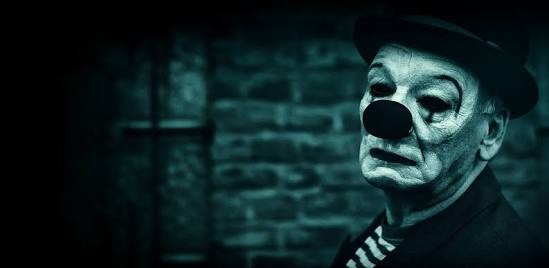
Do you look under the bed for hidden clowns?
Or skip your slippers, they’ve been glued down,
’tis the day of the fool, when fools go to town.
You’ll be checking everything to be doubly sure,
Wishing to have ignorance, to endure,
But it’s the day of the fool, not the day of the wishes,
When everything comes true in a couple of swishes
But isn’t it ideally foolhardy enough,
To wait for pretty much impossible stuff,
And even if all of it does come true,
Will you just walk back, and just be you?
Sadly, a fool doesn’t know any better,
He’s a well wisher, not a go getter,
He ends up wishing for things he’s not getting,
And then seethes, demanding a just bloodletting,
Can you really blame the poor guy?
Can you, after you’ve seen him cry?
Waiting to find someone, behind the curtains,
Pulling the strings of life, a prank, he’s certain.
Expecting someone to burst into laughs,
Declaring all of it an elaborate bluff,
The decisions he made, undone, untrue,
And this time, he’d get to see it through,
But they don’t call it the fool’s day for nothin’,
So as the alarm clock wakes with a persistent buzzing,
Fall off the slippers, let the clowns scream,
While you live your perfect, utopian dream
(I)
Mehsana was lonely. Let that not tell you for a passing moment that she was alone. In the busy desert town of Mir-al-Harab it was rather difficult to be alone, especially if you were as desired and popular as Mehsana. Sometimes, she had to wish with all she had to be left alone for it to actually happen.
But it was different now. They were all around her – her admirers, her well-wishers, her keepers and her brethren. But there was one face missing in the throng that made all the others unrecognisable. Rukhsar had left for the Ber Jakar oasis a few days ago to settle a dispute between life and death. And Mehsana hadn’t stopped feeling lonely ever since.
(II)
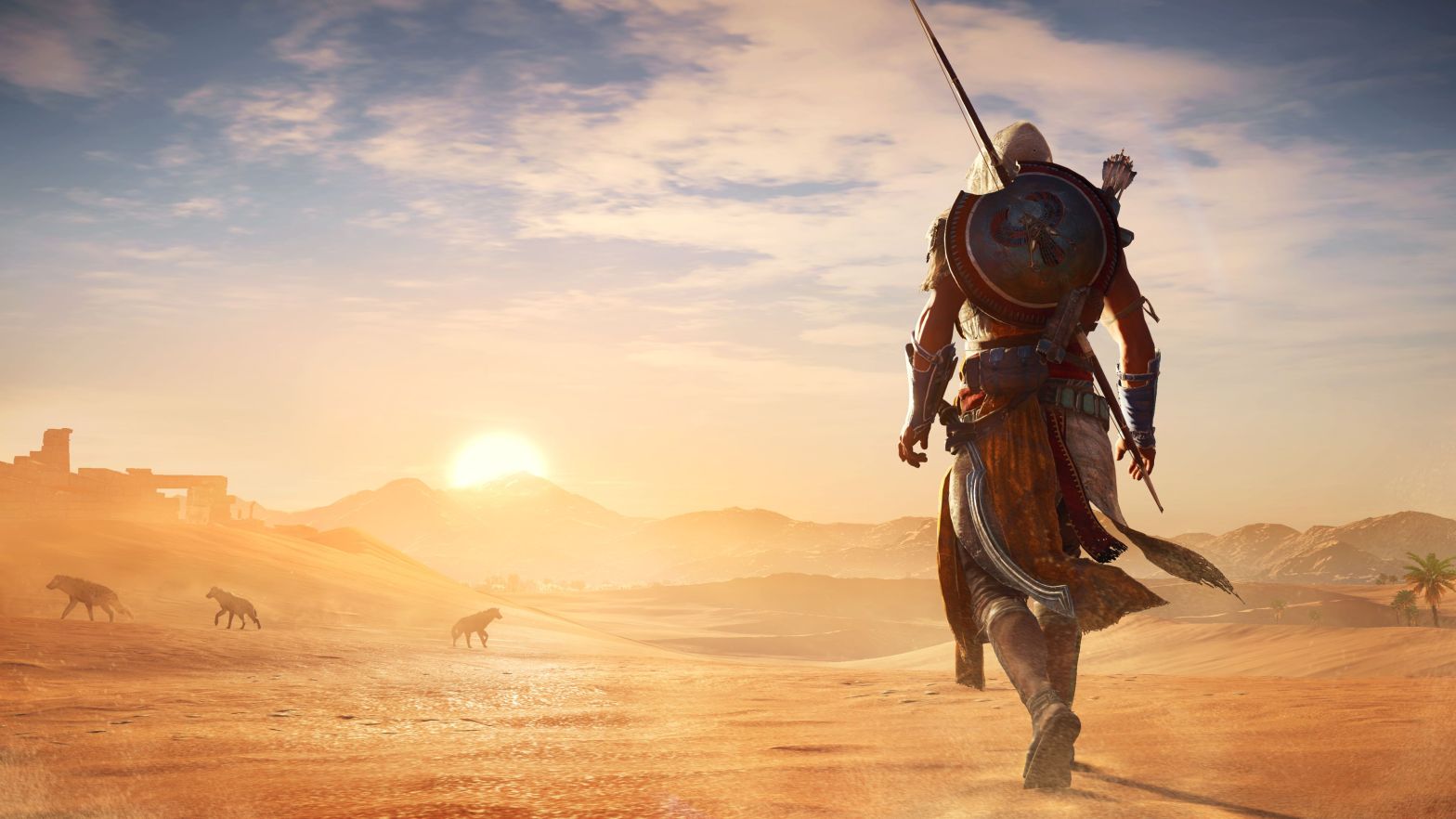
It was deceivingly easy to lose track of time in the desert if you weren’t paying attention. Yes, the sun was always visible and if you had kept your bearings since it rose in the east, it was unlikely that you wouldn’t know what time it was. But in an endless expanse of yellow that showed no signs of relenting in any direction, staying on track wasn’t child’s play, or an adult’s for that matter. It almost took all of Rukhsar’s concentration just to not get lost. He’d been riding for a couple of days, yet Ber Jakar was still at least a few sunsets away.
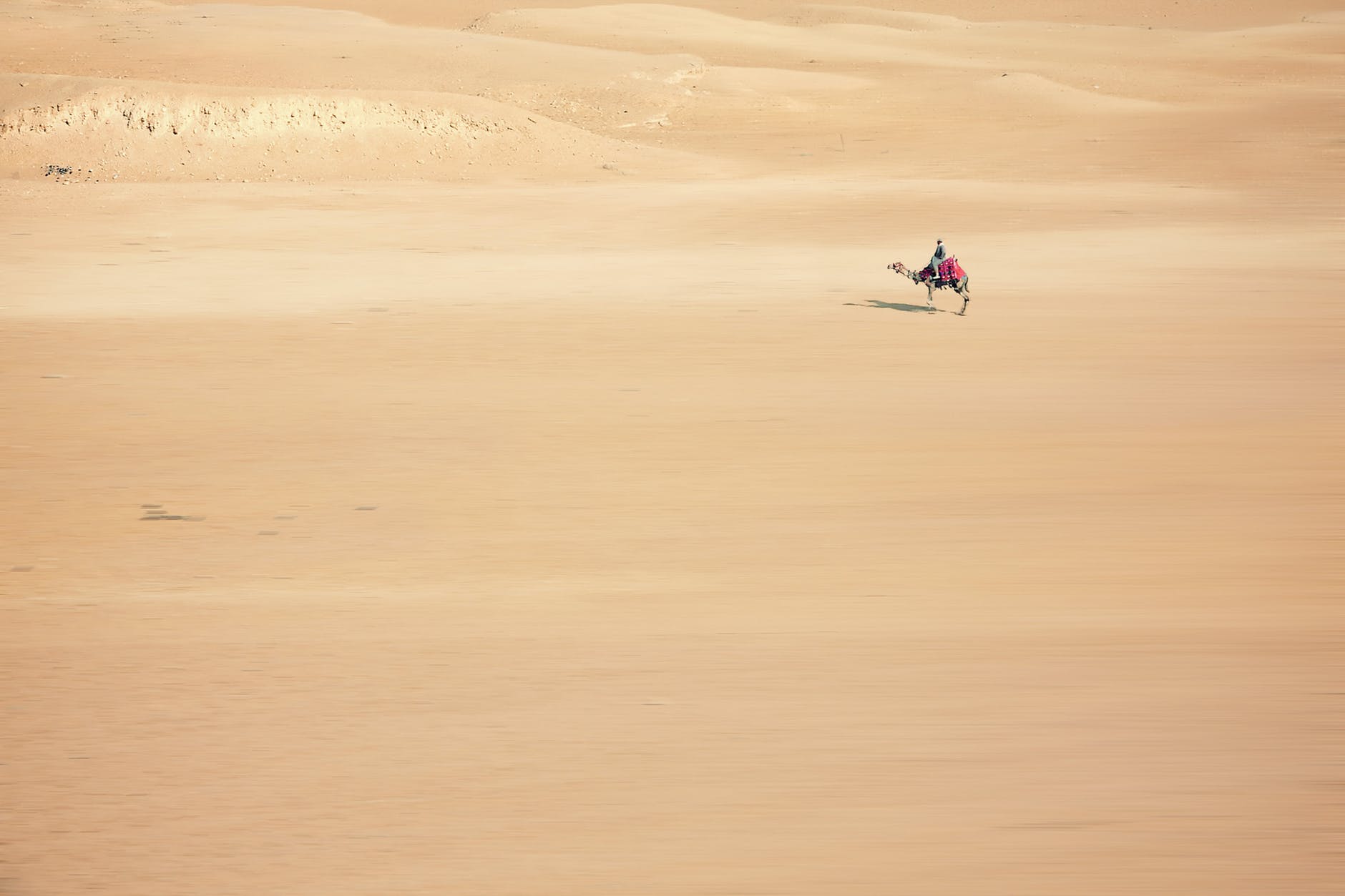
There were times his mind drifted. Or perhaps it was the other way round – his thoughts spread thin sometimes gathered around the one source of warmth within himself: Mehsana. He pictured her smile and it brightened and warmed some of the darkest, coldest nights. The image of her long black curls and the knowledge of her, peaceful and in joy, brought Rukhsar the companionship of contentment in the vast emptiness.
He’d passed a couple of smaller towns on the way. They weren’t as busy or as glorious as Mir-al-Harab, but each gave him an opportunity to make sure that his Mehsana was in good company, was loved. From Bet Suada, he sent Naim with flowers; from Parkesh, Jellal promised to carry the gilded goblets to her, the ones she’d always wanted; he’d even sent Nargis with a few Zerq embroidered kaftans from Zerqan although he wasn’t entirely sure if she’d like the bright colours. There was no way they could reach him after he’d left their towns, so he just hoped that she’d received his unmarked tokens in good shape. Perhaps B’sha would see the favour of the gods.
(III)
Rukhsar was no good, thought Mehsana. While the likes of Naim, Jellal and Nargis had seen her predicament written on her face and brought her presents to brighten her days, all Rukhsar had managed to do was send his bird B’sha with a few half-hearted words. What good were words that didn’t bring him right back to her? Speaking of words, when the three of them came to her, Naim, Jellal and Nargis seemed to be saying something in a language that didn’t make much sense to her. Perhaps they were delirious.
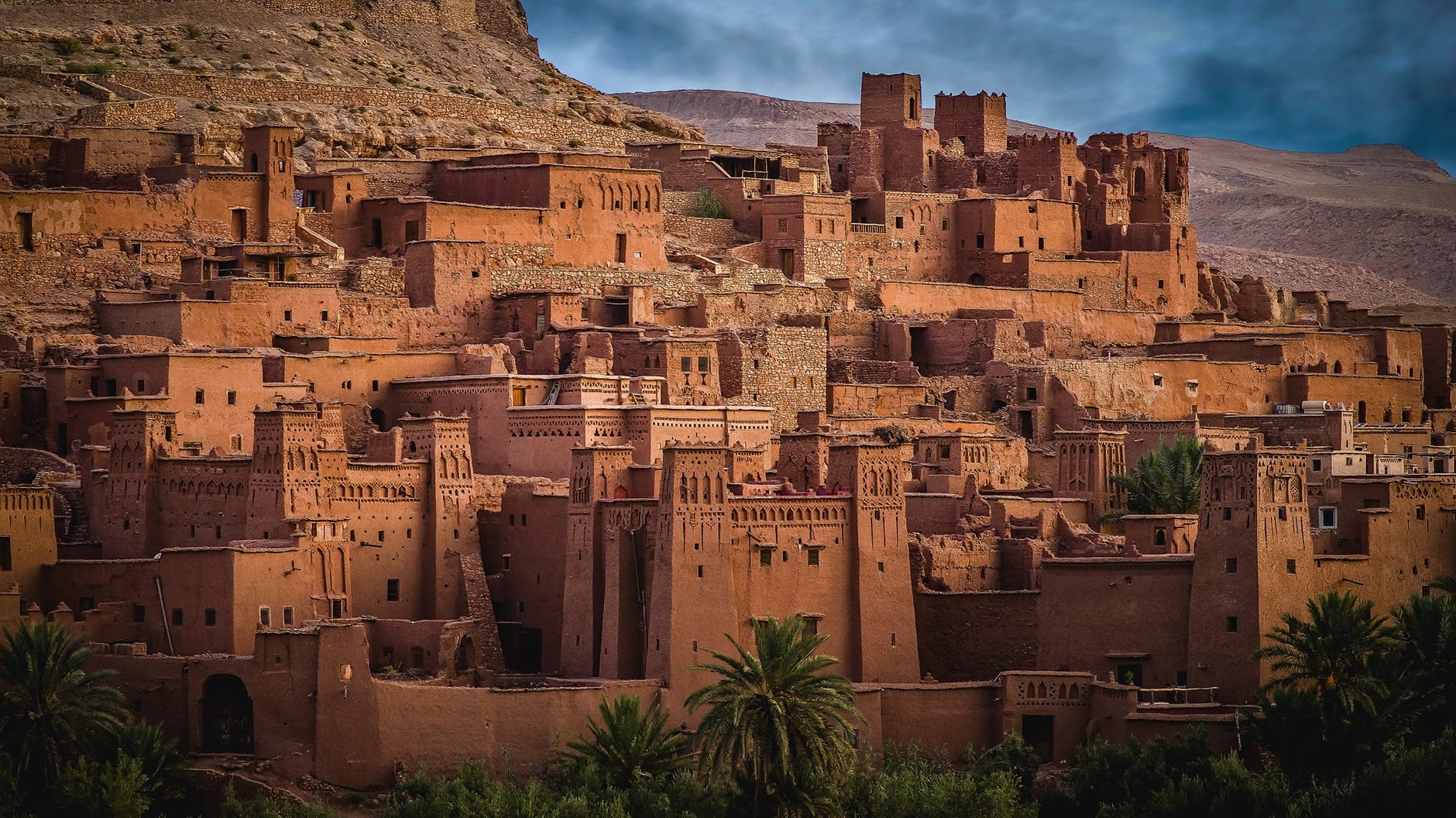
She looked at the empty seat beside her for a long moment. It was better to put it to good use while Rukhsar was away. As she put up her feet on the cushion and gazed out of the window at the dunes in the horizon, she wondered what a wonderful place the oasis of Ber Jakar must be, how different from the routine of everyday life. Almost none of the hundreds in the room at that very moment saw the hint of jealousy that crossed Mehsana’s heart.
(IV)
As Ber Jakar rose in the distance, Rukhsar realised that the sun was almost over his head. If he wasn’t already keeping track of time, he could swear that it was just over the horizon moments ago. Time does distort when your perspective is near-infinite. Thankfully, apart from the sun, he also had B’sha to keep track of time with his periodic runs to the nearest town for supplies. Sadly, that meant his letters to Mehsana were few and far between.
The oasis of Ber Jakar wasn’t the largest or most popular by far. In fact, few travelers needed to avail its shelter, thanks to its remote location away from the more popular trade routes in the desert country of K’Naad. A shallow pond that always had water was surrounded by a grove of palm trees and shrubberies that was thick enough to shield one from the sun’s glare but not enough to engulf the place in darkness. Many a traveler had found their way to this safe haven in their misguided wanderings, and some sought the seclusion it offered quite deliberately.

But today wasn’t about extracting a lost traveler or guiding someone looking for a place to lay low for a few days. Rukhsar had been summoned by the three sisters of Kismet themselves. Death and Life were having a dispute, one that had split Ber Jakar right down the middle. And as the hereditary guardian of the oasis, Rukhsar had been called upon to resolve it.
(V)
It must be a beautiful place. Otherwise, why would Rukhsar forget her like this? He must be having the time of his life, thought Mehsana, wandering out onto the terrace of her house with the trail of her gossamer dress caressing the marble that she’d walked on. She looked at the handful of messages he’d sent her, rolled up in the tiny scrolls that they’d come in. A couple of times that she’d replied, she couldn’t help being terse and cold – after all, hadn’t he left her with her dull and routine life and gone off to relish the bounty of an exotic oasis?
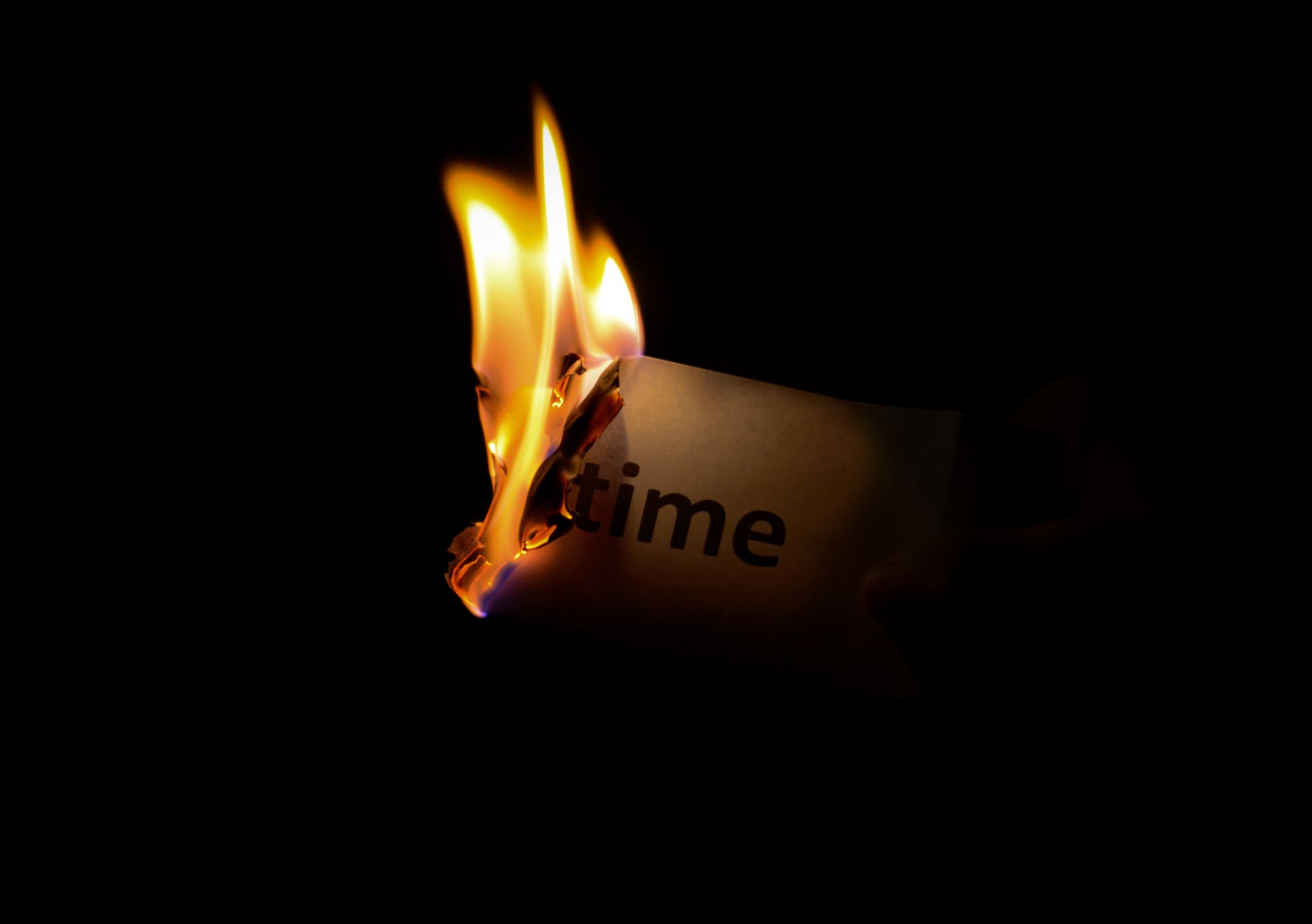
The very same anger that had gradually filled her heart seemed to now manifest in the tinder she’d set alight and brought close to the messages. The measly scrolls didn’t stand a chance – they twisted and turned as if trying to put out the flame now consuming them, blackening them, reducing them to ashes beyond recognition, but sadly, while the sword might be weak for the quill, mere papyrus would always be annihilated in flames.
(VI)
Ber Jakar was truly divided. To anyone entering from the east, it would be clear as the summer sky that Life and Death had placed their own, distinct holds on the oasis. The overpowering green shrubbery and the carpet of grass looked out of place even in this life-giving sanctuary, and so did the decay and ruin in the carcasses of plant and animal life alike strewn on the other side.
Gliding across their own demarcations, Life and Death both approached Rukhsar as he stumbled into the oasis and sad down beside a neutral rock at its doors. Both had a look of concern written across their diametrically different faces, risen from diametrically different causes. Life couldn’t take its eyes away from the wounds, the burns across his body, the parched skin and the faded eyes, reaching out to heal an existence that had clearly borne the brunt of the desert. Death, on the other hand, peered directly into the soul that inhabited Rukhsar’s mortal shell, looking for signs of its willingness to give up on Life and refuse its healing touches, and trying to seed an acceptance of the end.
Rukhsar held both by the hand and pushed them away. “This is not what I am here for. I seek neither the caress of life or the embrace of death.”, a sound not unlike a dry quill scratching on coarse sandpaper emanated from his throat, “you’ve landed on the land that was entrusted to my ancestors for protection, and as you can see, you haven’t really done it well. What is your purpose here?”
“To seek you”, both spoke in unison.
“Me?”
“Yes. And this was the only way we could do this without disturbing the natural order of things”
“This is what you call ‘not disturbing the natural order of things’?” Rukhsar waved around himself, indicating the mutated haven that was becoming unrecognisable by the second, “this overgrown greenery in the middle of the desert, this cesspool of decay, how can this be the natural order of things?”
“Things are being born as beings and beings are dying to become things every moment of your existence and beyond.”, remarked Life
Death joined in, “There is nothing out of the ordinary here except for the fact that it is all happening here at once.”
“Then what is your purpose with me?”
At that very moment, an ethereal light descended upon the landscape, a brilliant shade of blue that was alien to the daytime as well as the night, and much of what surrounded Ber Jakar was no longer visible, as if it was enveloped in a shroud that took it beyond the mortal plane.
The three sisters of Kismet stood motionless around them, garbed in muslin that was blacker than the blackest nights of K’Naad. Mehr, the youngest, had her hair cut short in adherence to her elfin stature and attire. Mehrun flourished tresses that nuzzled her waist, adorned in modest apparel. The eldest of them all, Mehrunissa, flaunted a mane and a tunic whose length defied human perception and seemed to disappear over the horizon of reality. And all three were looking directly at Rukhsar, with a gaze that was somewhere between pity and repugnance.
(VII)
A decision had been made. There was no place for Rukhsar in Mehsana’s life. Someone who could make her feel this lonely and dejected while he was off solving a measly disagreement in some exotic land deserved no place beside her, nor her love or concern. She had initially regretted not sending him off with words of encouragement, and had almost tried to fix that in a reply to one of his letters – but now she was thankful that providence on her part had prevented that, lest he let her down like he has done now.
Some had tried to convince her otherwise. A couple (or was it a trio?) of weird looking women had paid her a visit and tried to explain how Rukhsar was doing their bidding, something that no person can avoid. That must be a ball of hogwash, since Rukhsar could only ever do her bidding – he’d said so himself! So either he was lying, or it was these women who were fighting for his case (which, to be honest, was suspicious to begin with). Either ways, she saw no reason why she shouldn’t distance herself from him. Despite the thousands of miles that already existed between them.
(VIII)
“It is not their purpose, but our, that you’ve been summoned here for”, chimed all three sisters, in a monotone that was eerie and disconcerting.
“But isn’t this a matter of life or death for the oasis of my forefathers?”
“It is. And that is something that is beyond your influence. You can merely stand witness to whatever unfolds in its fate.”, spoke Mehr, twirling the few strands in her hair that were long with her fingers, “What you can, or could have influenced, is your own fate – which is what we are here for”
“You’ve been unfair to Mehsana”, proclaimed Mehrun, her each word delivering a physical blow to the already kneeling Rukhsar, “Promising her constant companionship, you’ve abandoned her for the longest of times and to the loneliest of days. You’ve broken your promises to the one person you never wanted to let down.”
“But this.. These were your summons!.. A summon that my forefathers and their forefathers before them have sworn to answer for time immemorial!”, a baffled and battered Rukhsar tried to stand on his two feet, but failed and fell back down right where he was, “A summon which, if left unanswered, would plunge this oasis into the chaos of a duel between life and death. How was I supposed to ignore that?”
“That, my dear Rukhsar, would have to be entirely up to you”, Mehr mumbled, busy admiring Mehrun’s shapely constitution compared to her more frugal form
“But..”, Rukhsar turned towards Mehr, “But what of the tokens I’d sent her? From all those towns that I crossed on the way?”
“You should’ve signed them in big bold letters while you were at it, you fool,” Mehr barked, offended at being interrupted in her admiration, “Neither those towns exist where they were anymore, nor are your messengers who they were anymore. Nothing exists of those tokens other than their materialistic representations. Which might as well be nothing but a bunch of empty seashells for all that matters. You couldn’t -”
“ENOUGH!”
As Mehrunissa spoke for the first time in ages, it was as if their reality itself grew darker.
“I haven’t aged a thousand years in one lifetime to bear witness to your petty squabbles.” she spoke in a voice that was unlike any other. “ What has done has been done. It is immaterial to determine who was let down by whom, as there is no path to walk back on from this unmarked oasis in the middle of nowhere. Such is your fate, O keeper of Ber Jakar.”
“And this very fate was decided the moment you decided to walk out of Mir-al-Harab to save the oasis of your forefathers,” Mehrun stepped closer to Rukhsar, waving her hands in front of her as if clearing an invisible fog, eventually gathering her garb and taking a place beside him, to his right “The companionship that you left vacant has been filled in your absence. Your return to Mir-al-Harab, and to Mehsana, is no longer required.”
“If it is of any consolation, you should know that you arrived in Ber Jakar just in time. Any longer and these two would have plunged it into an eternal void of nothingness,” Mehr rolled her eyes as she nodded at Life and Death standing behind Rukhsar, as she too sat down beside Rukhsar, to his left, “you’ve managed to save the oasis, O Keeper. Now only one thing remains.”
“And that is your consent”, said Mehrunissa, as she glided towards Rukhsar, the entire fabric of their reality twisting and warping all around them, to settle down in front of him, “All that is left, is for you to declare whether you chose life, “ she waved at the white, ethereal robed figure standing behind him to the right, hovering over the ground, “and continue to exist in K’Naad without Ber Jakar, Mir-al-Harab or Mehsana. Or whether you chose death,” she waved at the black, hooded, slouching figure, seemingly immersed partially in the ground, behind him to the left, “and resign your hold and influence on this material plane – and with it, any right you ever had over Mehsana. You’ve merited this one decision in your existence”
Rukhsar looked all around him – at the three sisters of Kismet who had proclaimed his fate, the figures of life and death looming behind him yet constantly visible out of the corner of his eyes and the ever-so chaotic oasis of Ber Jakar. There was something else here, something that he was trying to focus on, something that none of them could see.
There was a child sitting on his lap, dressed in a vibrant pink, smiling a mirthless smile and holding his gaze without blinking even once. He looked back at the others, and none of them could see the child, he was absolutely sure of that. And the other thing that he was sure of, was that he had to choose the child. Letting go of the hands of fate, life and death, he picked up the child and kissed its forehead. A single tear of acceptance rolled down his weary cheeks before it gradually disappeared into the void.

It’s that time of the year again, when you can be a legit asshole to people in the name of culture. It always gets us excited, almost as much as Diwali, the other festival where you get to be a legitimate asshole to the environment in the name of culture.
It wasn’t always like this. Trust me, I do remember a time when hearing the words Holi haiiii didnt immediately instill a sense of panic within. But then gradually, over the years, people have turned holi into an excuse to treat human beings as sh*t – quite literally at times by flinging more shit at them.
You know who throws shit at other members of their own species? Monkeys! (There you go Mr. Satyapal Singh, undeniable evidence that Darwin was right. Might I also point out the almost poetic irony of your name? No? Okay). And we claim to be eons ahead of them from an evolutionary perspective. I mean, we just sent a car to Mars and are contemplating more gender identities than we have fingers to count them on, aren’t we? So what makes us regress into such crude, primal, uncouth behavior annually for the festival of colours?
To understand that, we need to understand what scares us about it. Frankly, for me, it’s the jump-scare like tactics used to put colour on unsuspecting people. Once, a friend tried to put paint colour (the more permanent kind that we’re all familiar with) on me, and in a hurry to ambush me, he forgot to put enough water into the mix. It resulted in sizeable granules of dry powder being vigorously rubbed on my face resulting in quite a few painful cuts that burned for the rest of the day under the coalescing fervor of additional layers of colour and the unrelenting sun.
But this is puny. Insignificant compared to what women have to go through during these few days of the year. Out of all festivals celebrated in this country, holi single handedly has the reputation of being a favorite of molesters and perverts of all kinds. But what else did you expect out of a place that barely knows the idea of consent.
I just recently read a report about semen filled balloons being flung at women. And the first thought that crossed my mind was, “This is exactly what separates us from apes. They would never do this.” I repeat – we’ve evolved for a long, long time to figure out how to make balloons, their projectile motion, their durability to be able to execute such an act. You have to realise, that a group of people got together, decided to pool their contributions into a receptacle, and hoist it up high at an opportune moment towards a suitable target. People who did this should be nominated for the next Nobel prize in physics, with peace thrown in for good measure. And also be told that this is how they’re going to spend the rest of their lives – subject to a relentless insecure circlejerk to convince themselves of their morality.
In the name of the festival of colours, women have been groped, pinched, assaulted, and even physically hurt for years. So if you see a woman being scared to participate, be a good human being and don’t go on and call her an anti-national libtard, will you?
I personally feel that this behavior is rooted in a desire to dominate, to subjugate, that lies at the core of this country’s attitude towards its women in general. With added intoxication into the mix, Holi just lets people get away with it. Coz bura na mano holi hai, right?
I’ve grown up in a small town – a place where you didn’t have to think twice to go out and play holi with friends and complete strangers alike. Yes, there were no-go zones there too, but you didn’t have to hole up in your house in the fear of unrelenting holi enthusiasts. Let’s try and bring that feeling back into the festival, one where people aren’t choosing between sleeping in and leaving the city for these few days. We’re stronger than a few regressive Bollywood song lyrics, aren’t we?
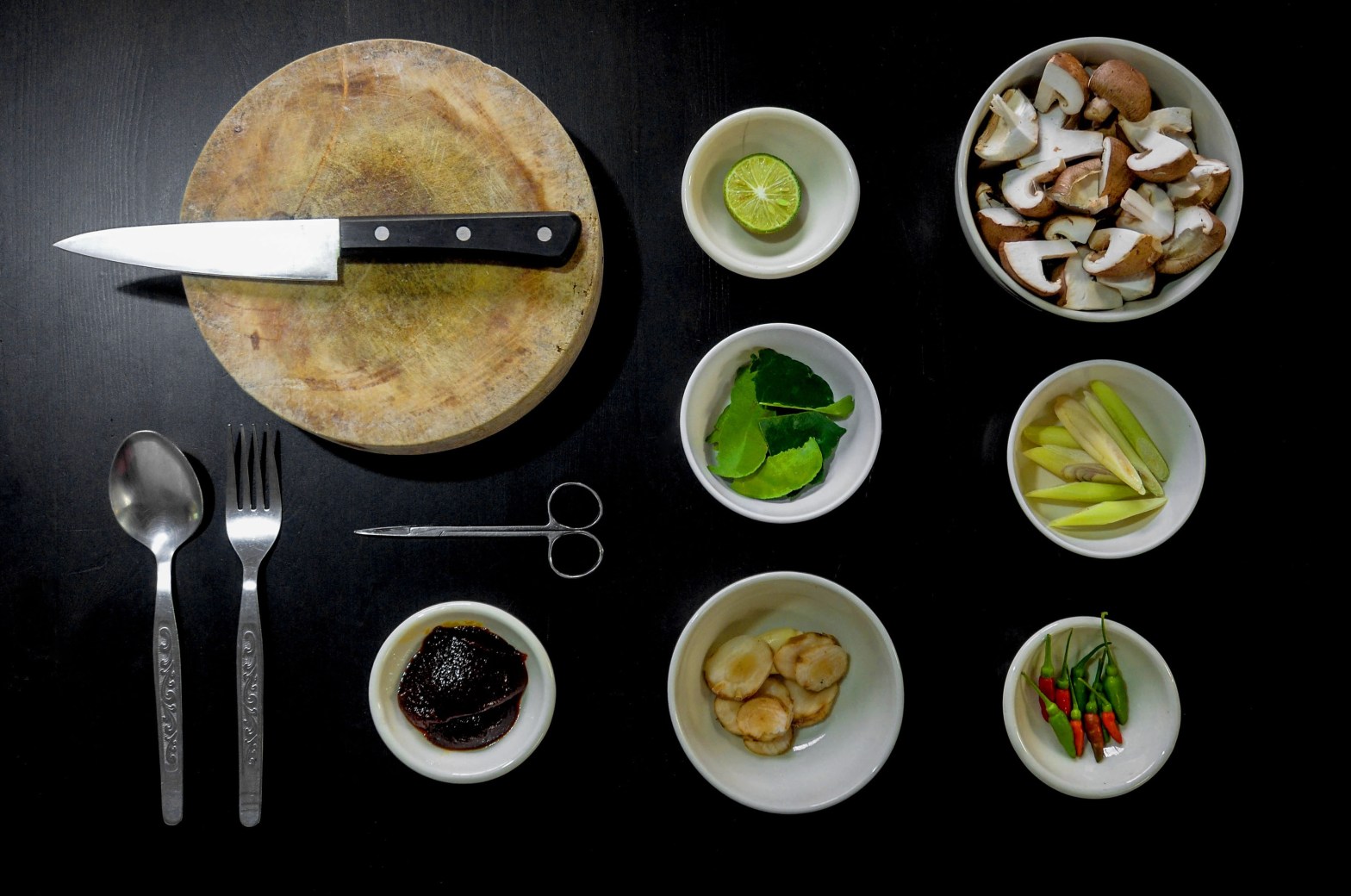
There have been a couple of things that I’ve been doing for the past few days apart from writing – being sick and watching Shokugeki no Soma. The former is thanks to the cold I seem to have caught due to another season change (a round of applause for my immunity, please!) and the latter is due to my latent interest in food being cooked.
As countless food blogs and bloggers must have already informed you umpteen times, cooking is an art. I, personally, derive pleasure in observing that art. I know, most people who perceive it as an art would rather enjoy performing it – so do I – but for me, watching the art being performed brings a greater sense of fulfilment.
This habit/trait goes back to a time when TLC was still TLC and not Travel and Living Channel. During lunches at home in high school, I used to almost exclusively watch cooking shows (except Bizarre Foods with Andrew Zimmern). This habit, when I carried it to my dorm, raised a lot of eyebrows and groans of displeasure. According to most of my dorm-mates, the amazing culinary spreads being cooked up on the screen would make them lose their appetite for whatever drab meal had been served by our dorm-owner that day ( and trust me, you DEFINITELY needed an appetite to have that). It worked differently for me – it made me feel more hungry, and finish my food faster, often eating up more than what I usually do. It worked the same way when I was suffering from dengue last year and had completely lost my appetite. The moment I switched on cooking shows on the TV, even the hospital food (which was decent, to be fair) went down with ease.
Which brings me to my current predicament. I caught a cold about a week ago. A little time before that, I started watching this recently popular anime, Shokugeki no Soma (my definition of recent anime is anything that came out after it became legal for me to vote) whose plot, without being too spoiler-y here, can be summarised as the story of a guy on a journey to evolve as a cook at an elite culinary school. Before we proceed any further, let me be clear to all non-otakus, this is an anime, and it has its fair share of fanservice, which is to anime what item songs (and currently, old-Bollywood remakes) are to Bollywood movies. So if you have a problem with that, limit your interest in Shokugeki no Soma to this article itself. But if you’re still interested, this is why I watch the anime (from 2:04 onwards)
I know I know, anime can be over-dramatic at times. Well, most of the times with popular shonen ones. But what is more important here is how the art of cooking has been portrayed as something cool, something awesome, something that’ll downright make people want to get up and cook!
And it did the same to me. The cold I’d caught peaked in its symptoms about a day before yesterday. And since I’ve done a Ph.D. in CatchingACold’ology, I could safely tell that it’s not going anywhere within the next couple of days. I literally did not feel like doing anything but lying down all day and succumb to the symptoms, letting the cold win. But during that time, watching a couple of episodes of Shokugeki no Soma, with extravagant cooking ideas being executed with inordinate skill all the time on screen, it felt like it was worth a shot. I found myself cooking all my meals, not only with a compulsion to eat at home but to make something cool, something worth showing-off, something more than a usual eat-at-home meal. Not that I succeeded, of course, or this would be a food blog by now. But there was one thing that definitely stuck during that experience.
Having something to do while you’re in the worst shape, physical or mental, something that you’re quite passionate about can really go a long way in bringing you out of wherever you are and showing you what you are capable of if you’re just willing to get up and do it. It doesn’t have to be your primary passion or your goal in life. You don’t have to be really good at it. For me, that primary goal is writing. But to actually be able to write, I have to get up, freshen up, take everything in, broaden my mind, feel the energy and a ton of other things that would’ve definitely not happened if I clung to the bed with the cold as an excuse. Cooking did that for me. It brought me to space where I could see that if I wanted to beat it, the cold was nothing more than an excuse, to begin with.
You might be in a worse situation than I am, or in a relatively different one. Whatever might be the case, I would encourage you to find something, something that keeps the wheels turning and the fire burning. That something might not give you the answer to the questions you have in your life right now, but it might just give you the means to discover it yourself.

Do you understand the scale of things happening around you right now? It’s alright if you aren’t, it’s quite easy to lose track sometimes. Rather, finding the right track is what is rare and quite unexpected with life today.
Unless you’ve got love. Someone to hold onto, someone to rely on, someone who you know will take your side no matter what. Somehow, that someone managed to make you feel that either your life’s on the right track all the time, or it doesn’t matter if it isn’t. That someone, my friend, is quintessential to happiness.
Love and money are a lot alike. They’re most important to people who don’t have them. And people who have them in plenty often end up misusing or not knowing their worth. The only difference, one is finite in this universe.
Understanding love requires a lot of effort. Not that the idea is difficult, it is what the idea stands for. This is not something you can read off the pages of a yellowing, ageing tome and grasp with the sheer power of your mind. It is an experience. It might make you happy, sad, content, hateful, considerate, selfish – but it will, for sure, make you feel. And that is what love truly is all about.
Have you ever taken an injection? That moment of trepidation, despite knowing that it will be over in a minute, and you’ll feel foolish – that defines the whole idea of doctors being scary to people. That is somewhat like how love feels. I know, probably doesn’t make sense, but then that’s what its all about.
P.S True love is a whole different ball game. In fact, I am not entirely sure the phrase is valid.
One tends to forget just how cold winters can actually be. Living in Mumbai is not particularly conducive to retaining that perception, with the city being stuck in the weather cycle between summer and less summer throughout the year. On the other hand, places like Kolkata, or even better, Kharagpur, can serve has pleasantly jarring reminders of the beauty of winter.
While simple things like making mist-smoke by blowing out into the cold winter evening or stuffing your feet under an age old blanket while feasting on piping hot savories can tug on the heartstrings of nostalgia, that isn’t the only direction that your feelings can take on a chilly January day.
For instance, some associate the season with morbidity. And who can blame them? The cold that makes some shiver to the bone, the fallen leaves that leave once lush green trees as mere skeletons of a glorious summer, the absolute silence of the night that betrays a palpitating heart to anyone looking to feed on fear – winter is the freré mort of the seasons.
On the other end of the spectrum, another sentiment that is often attributed to winter is that of rebirth. Just like how the mythical phoenix is perennially reborn from the ashes of its own demise, nature reinvents itself every year in the cold. Look at any well nurtured winter garden and you’ll know what I mean – from vibrant flowers heralding the advent of the incoming spring to the bountiful harvest that sprouts only in the cold, the irony of nature’s duality is not lost on anyone.
To be honest, I think winter strips you bare. Sounds strange, perhaps, what with a lot of people piling on layer upon layer at the slighted hint of a chill in the air. But within those layers lies a betrayal that you’re cold, that somewhere, somehow, the cold has reached the deepest, darkest, most intimate corners of your existence, forcing you to cloak it in an attempt to simulate warmth. Regardless, as I said earlier, winter is the season of betrayal – it betrays the fear on your heartbeat quite audibly to the rest of the world, which is holed in its own cocoon to escape the reality of its mostly bleak visage this time of the year.
Perhaps the duality of the winter season is best illustrated by a pre-dawn long drive on the highway on a winter day. All roads look the same, shrouded by the relentless cover of the fog, not unlike a menacing lethifold from the Harry Potter universe, and can lead you to your destination and your destruction with equal ease. Your best option is to head into it with the best of your knowledge, and the most resilient of your fog lights. After all, on the other end, a charming spring awaits.
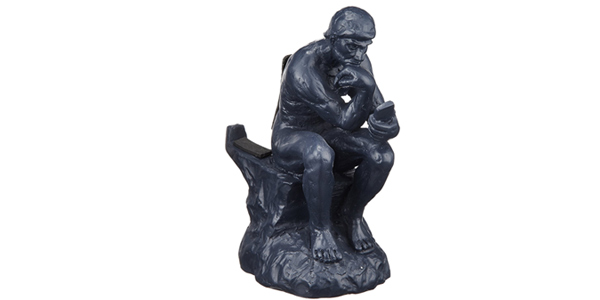
When was the last time you were in an online argument?
Actually, it doesn’t matter. If you’ve ever been in one, you must have encountered your fair share of logical fallacies and counter arguments. I’m all for it.
What gets on my nerves is on demand philosophy.
Thanks to the internet, now everybody has access to their share of Socrates, Plato and anything remotely related to logical arguments that have been documented in the literature. And with that, comes a fancier version of the usual online fisticuffs – one with philosophical name-dropping.
Having a sound knowledge and understanding of ‘No True Scotsman’ and ‘Tu quoque’ is definitely a great thing. Using that knowledge to point out someone’s mistake online is even better – if you’re actually doing that.
On the other hand, if, at the commission of said fallacy, all you’re doing is quickly going through your mental (or physically documented) list of logical fallacies until you hit the right one, just to name-drop it in the argument and leave, then you my friend are committing the greatest fallacy of them all – mockery.
You’re mocking the lack of your opponent’s know-how about these very well documented argument tools, not their ability to argue or the argument itself. Do you seriously think that looking up a definition online is going to change someone’s worldview? Definitions and theories that the now famous logisticians spent years debating over and formulating ideas around? If you are, then it probably worked on you too.
Then you should gladly accept that you’re no true logician.

 Arnab Mukherjee