Normally, I would start a blog post like this with ‘ everyone knows how bad the situation with the Amphan cyclone is ‘, but the trouble is that they don’t. Hardly anyone beyond people with direct connections to West Bengal and Orissa are talking about it. In a world where the relevance of events is often measured in social media trends, you’ll have to scour the depths of these platforms to find an overall conversation on this disaster.
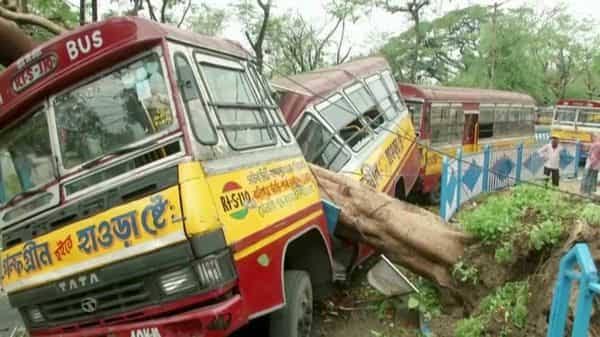
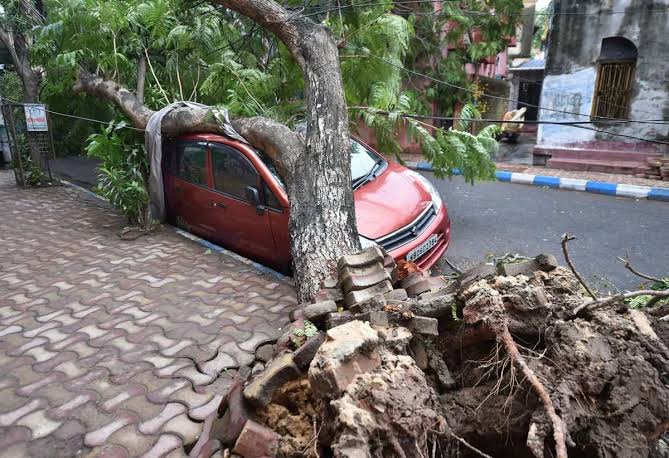
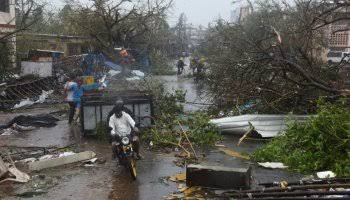
There’s no putting it lightly – this has destroyed a large chunk of West Bengal. It has set parts of the state years back, if not a decade. As a state, West Bengal is full of cottage industries and enterprises run by handicraftsmen, that did not survive this storm. Between the COVID-19 pandemic and a category-5 supercyclone (the first of this century to make landfall in India), many livelihoods and lives have been razed down to the ground by nature’s fury.
We can start pointing fingers almost immediately. At the lack of attention from national media busy discussing buses & politics like your overweight racist neighbour, at the lack of empathy on social media busy meme-ing on the latest ‘escape from your grim reality to this grim reality’ show to stream, at a government machinery that can organise election rallies wayyy better than relief efforts for the disadvantaged majority or minority. We can keep pointing fingers all day, but that’s not what we do. That’s not who we are. And that’s not what we will let this turn of events make us.
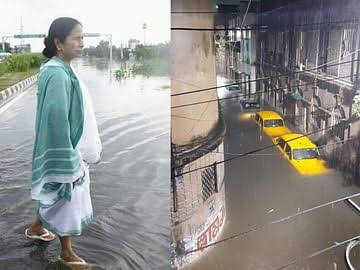
After all, weren’t we the ones guilty of much of the above when the trouble was far from the doors of our homeland? Sometimes, not too distant neighbourhoods faced worse deluges that garnered almost no national sympathy, including ours. On the other hand, routine drowning and deaths in a maximum city every monsoon has become something we have internalised, despite all the attention and conversation it gets year on year.
Yes, rage. Rage against all of the above, but by making a difference. If you can, at least donate to the West Bengal State Emergency Relief Fund on Google Pay – it’s easier than sharing that edited post on Instagram. Reach out to people you know on the ground, people who’ve faced the worst and are still standing, who can help you reach out directly to those who’ve fallen. Your barir kajer lok, Your parar chayer dokan’er dada, your parents’ office staff, your college canteen’er kakima, that tour guide on your last trip to the Sunderbans, juniors living alone in hostels and more. More than ever, people are scared. There’s a quiver of uncertainty even in the most steadfast of voices. Even if all you can provide is consolation and a patient ear, it might just give someone the strength to face another day and come out stronger.
We’ll survive, like we’ve done countless times in the past. Or atleast, our collective identity will. As a race, we’ve survived nuclear bombings at our own hands, so it will take more than a cyclone, more than polito-religious-agenda driven dipshits, more than the apathy of the majority to bring us down, if at all. But remember, the nuke left a mark. This will too.
Remember, regardless of your connection to the state & its state today, the aftermath is something every single one of us will have to live with someday.
 Arnab Mukherjee